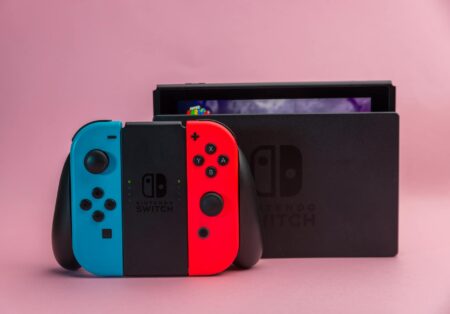




Day-one patches have become gaming’s most dreaded tradition. Players eagerly anticipate a new release, only to face hours of mandatory downloads before they can actually play. Microsoft is tackling this problem head-on with advanced AI testing systems that catch bugs before games ever reach store shelves.
The company’s automated testing infrastructure now processes millions of gameplay scenarios across thousands of virtual environments simultaneously. This massive scale of pre-release testing is identifying critical issues that would traditionally slip through manual quality assurance processes, potentially eliminating the need for those frustrating launch-day fixes that have plagued the industry for years.

AI-Powered Bug Detection at Scale
Microsoft’s AI testing framework operates on a fundamentally different level than traditional quality assurance. While human testers might play through a game once or twice in specific ways, AI systems can simulate thousands of players with vastly different play styles, hardware configurations, and decision paths simultaneously.
The system creates virtual players that exhibit realistic gaming behaviors – some rush through content, others explore every corner, and some attempt to break the game intentionally. These AI agents play for hundreds of hours across multiple difficulty settings, uncovering edge cases that human testers would never encounter in limited testing windows.
Machine learning algorithms analyze crash reports, performance metrics, and gameplay data in real-time, identifying patterns that indicate potential problems. When the AI detects anomalies – whether it’s frame rate drops in specific areas, progression-blocking bugs, or memory leaks – it generates detailed reports with reproduction steps for development teams.
This approach has already shown results with recent Xbox Game Studios releases, where day-one patches were significantly smaller and less frequent compared to industry averages. The AI testing caught critical issues during development phases rather than after launch, allowing developers to fix problems while they still had time to implement proper solutions.
Integration with Xbox Development Pipeline
The AI testing system integrates directly into Microsoft’s development tools and certification processes. When developers submit builds for approval, the automated testing begins immediately, running parallel to human review processes. This dual-track approach ensures no critical issues escape detection.
The technology leverages Microsoft’s Azure cloud infrastructure to spin up testing environments on demand. A single game build might be tested across hundreds of different hardware configurations simultaneously – from high-end gaming PCs to entry-level laptops, various Xbox console generations, and different network conditions.
Real-time telemetry feeds back to development studios, showing exactly where problems occur and under what circumstances. Developers receive heat maps of crash locations, performance bottlenecks highlighted by play area, and detailed logs of every action that led to problematic scenarios.
The system also tests cross-platform functionality extensively, ensuring games work seamlessly whether players are on Xbox consoles, PC, or cloud streaming through services covered in our previous coverage of Xbox Cloud Gaming expansion. This comprehensive testing approach prevents the platform-specific issues that often plague multi-platform releases.
Machine Learning Improvements Over Time
Microsoft’s AI testing becomes more effective with each game it processes. Machine learning algorithms study the types of bugs found in previous releases, learning to recognize similar patterns in new projects. This creates a continuously improving system that gets better at predicting where problems are likely to occur.
The AI has developed particular expertise in identifying performance issues that only manifest after extended play sessions – problems that traditional testing cycles often miss due to time constraints. Memory leaks, gradually degrading frame rates, and save file corruption issues are now caught consistently before release.
Natural language processing capabilities allow the system to analyze player feedback from beta tests and early access periods, correlating written complaints with specific technical issues. When players report that “the game feels laggy in busy areas,” the AI can pinpoint the exact cause and severity of performance problems.
The technology also learns from post-launch data when patches are still required. Every fix implemented after release teaches the system to catch similar issues earlier in future projects, creating a feedback loop that continuously improves detection capabilities.
Real-World Impact on Recent Releases
Several major Xbox exclusives have benefited from this enhanced testing approach. Developers report finding and fixing critical bugs weeks earlier in development cycles, allowing time for proper solutions rather than quick patches. The quality of launch-day experiences has improved measurably across Xbox Game Studios releases.
Third-party developers using Xbox development tools are also seeing benefits. The automated testing reports help smaller studios identify issues they lack resources to find through traditional testing methods. This democratizes access to enterprise-level quality assurance capabilities.
The Future of Game Quality Assurance
Microsoft’s AI testing represents a fundamental shift in how the gaming industry approaches quality assurance. Rather than treating bug fixes as inevitable post-launch activities, this technology enables a prevention-first approach that addresses problems during development.
The company is expanding the system’s capabilities to include accessibility testing, ensuring games work properly with assistive technologies and meet diverse player needs. AI agents are being trained to simulate players with various disabilities, catching accessibility issues that might otherwise go unnoticed until after release.
Integration with Xbox Game Bar’s social features is also in development, allowing the AI to test multiplayer interactions and social gaming elements more thoroughly. This includes testing voice chat functionality, friend system integration, and shared gameplay experiences.
The ultimate goal is eliminating day-one patches entirely for many types of issues. While some problems will always require post-launch fixes – particularly those related to server load or player behavior at scale – technical bugs and performance issues should become increasingly rare at launch.
As this technology matures and spreads throughout the industry, gaming’s most frustrating tradition may finally become a thing of the past. Players might soon be able to buy a new game and actually play it immediately, without waiting for mandatory patches to fix problems that should have been caught before release.
Frequently Asked Questions
How does AI game testing work?
AI systems simulate thousands of players with different behaviors simultaneously, identifying bugs and performance issues across multiple scenarios.
Will this eliminate all day-one patches?
While many technical bugs will be caught earlier, some patches for server issues or large-scale player behavior may still be necessary.