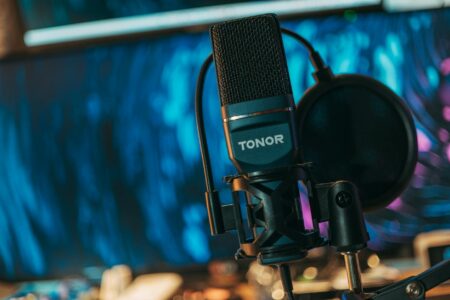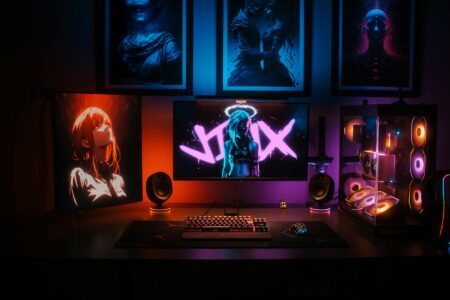




The line between gaming and mainstream entertainment continues to blur as Netflix transforms popular streamers into household names through leading roles in original series. What started as content creators building audiences through gameplay has evolved into a direct pipeline to premium streaming content, fundamentally changing how the entertainment industry identifies and develops new talent.
This shift represents more than just celebrity casting – it signals Netflix’s recognition that gaming streamers possess unique skills perfectly suited for modern entertainment. Their ability to engage audiences for hours, improvise compelling content, and maintain authentic connections with millions of viewers translates remarkably well to scripted programming. Major streamers are now landing significant roles in high-budget Netflix productions, bringing their established fanbases along for the ride.
The Natural Performance Skills Streamers Develop
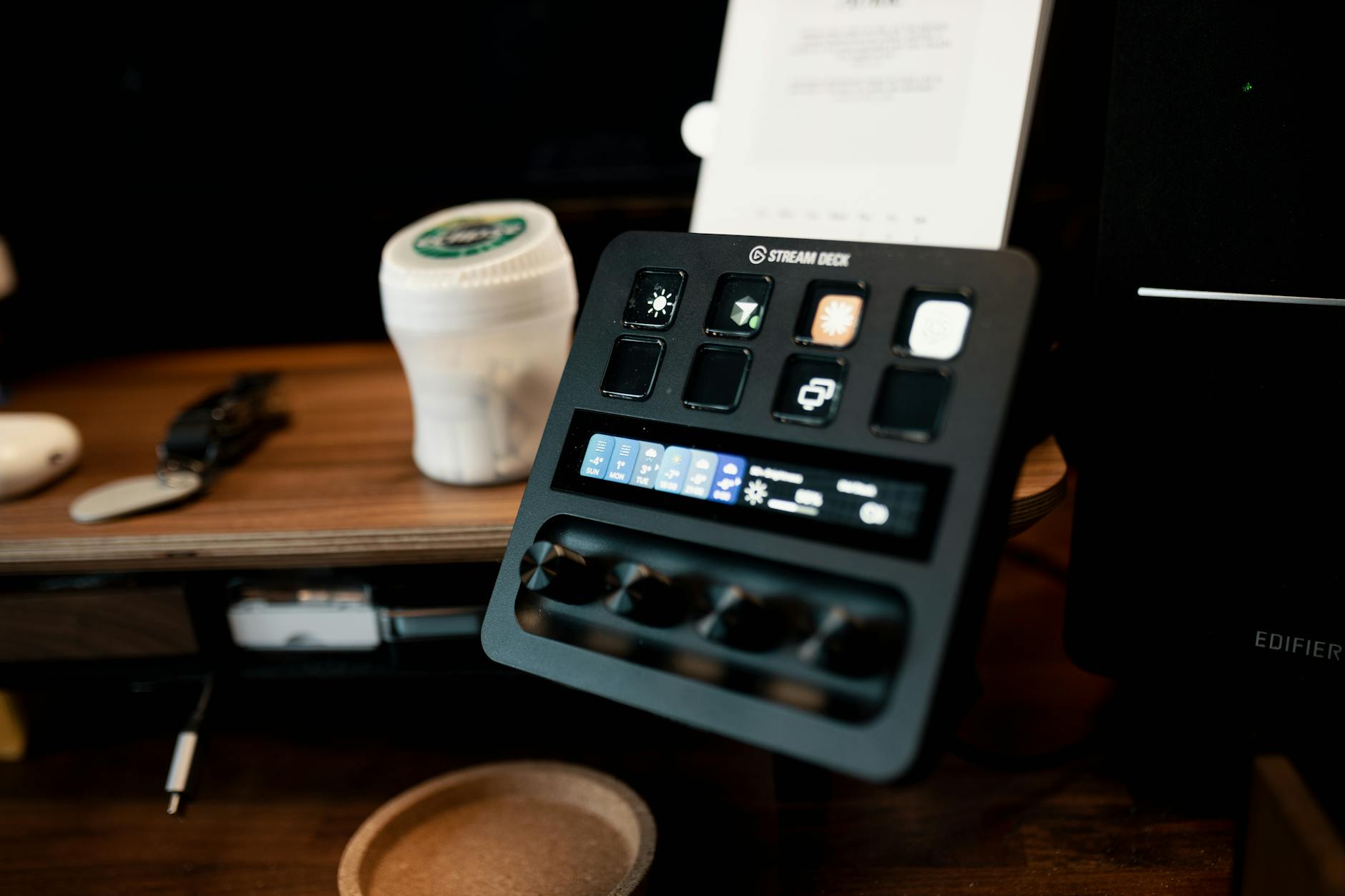
Gaming streamers develop performance abilities that traditional casting directors increasingly value. Unlike conventional actors who work with scripts and directors, streamers must create compelling content spontaneously, often for 6-8 hours daily. This constant performance requirement builds skills in improvisation, audience engagement, and natural charisma that translate directly to on-screen acting.
The interactive nature of streaming also develops unique talents. Streamers must simultaneously focus on gameplay, respond to chat messages, maintain entertaining commentary, and manage technical aspects of their broadcast. This multitasking ability proves invaluable in television production, where actors often juggle multiple demands during filming.
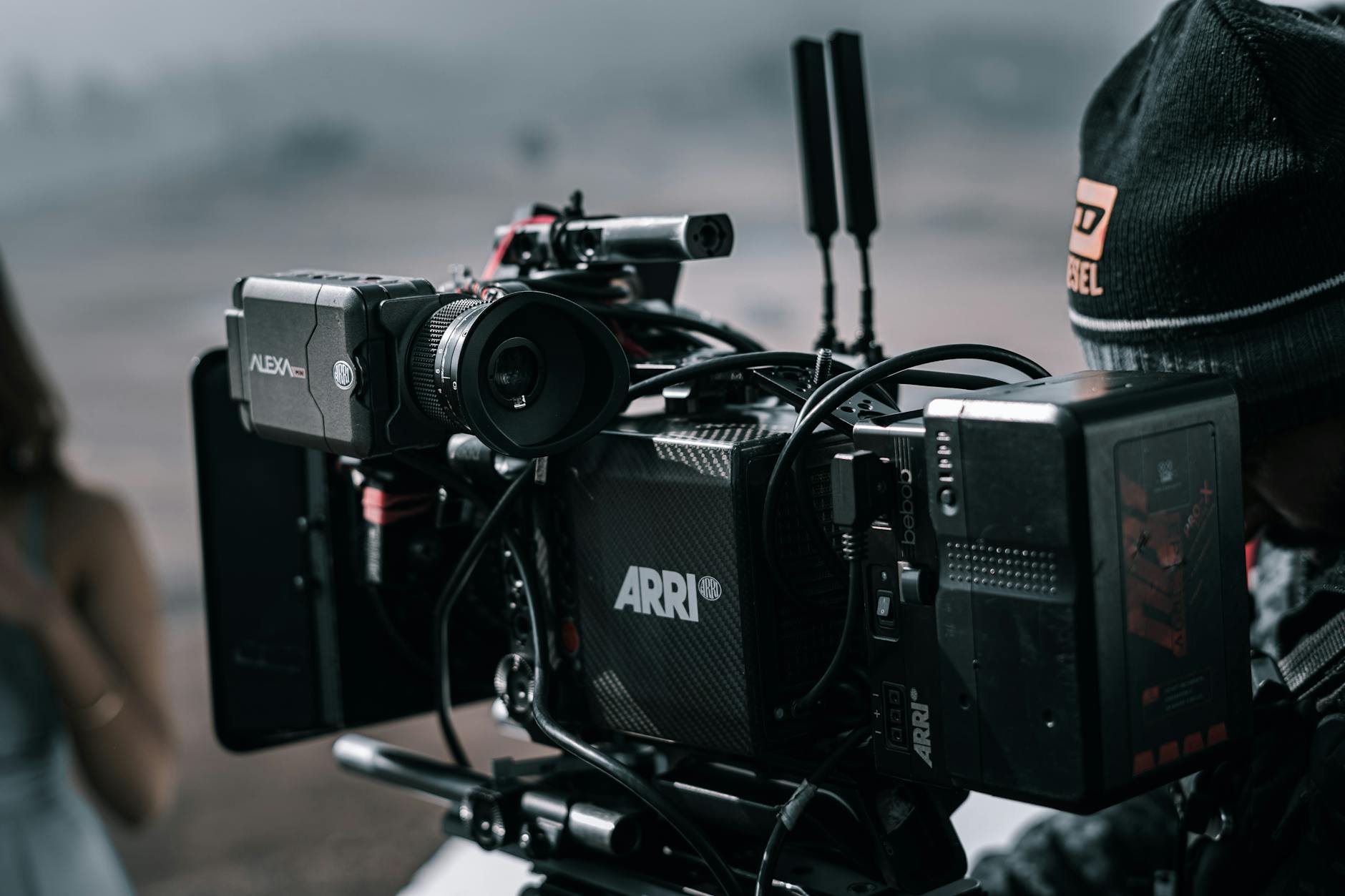
Netflix casting directors report that streamers demonstrate exceptional comfort with cameras and natural timing that comes from years of live broadcasting. Their experience with unscripted content creation makes them particularly suited for roles requiring improvisation or natural dialogue delivery. Many streamers also develop distinct character voices and personas during their broadcasts, skills that enhance their range as performers.
Netflix’s Strategic Approach to Streamer Casting
Netflix has developed a systematic approach to identifying and developing streamer talent for original programming. The platform actively monitors viewership metrics, audience engagement rates, and cross-platform popularity when evaluating potential casting candidates. Streamers with demonstrated ability to maintain audience attention and generate authentic emotional responses receive priority consideration for various projects.
The streaming giant recognizes that established gaming personalities bring built-in audiences to new productions. When a popular streamer joins a Netflix series, their existing fanbase often follows, providing immediate viewership and social media buzz. This audience migration proves particularly valuable for niche programming or experimental content that might struggle to find viewers through traditional marketing alone.
Netflix also values the demographic alignment between gaming audiences and their target viewership. Many popular streamers attract the 18-34 age group that represents a key demographic for streaming platforms. By casting these personalities, Netflix can more effectively reach audiences who might not discover their content through conventional promotional channels.
From Voice Acting to Live Action Roles
The transition often begins with voice acting opportunities, where streamers can leverage their existing vocal talents without the pressure of physical performance. Many established gaming personalities started their Netflix journey through animated series or video game adaptations, where their gaming knowledge and vocal abilities provide natural advantages.
This progression mirrors broader industry trends where Twitch streamers are becoming voice actors for major gaming studios, creating a pipeline from gaming content to entertainment media. Success in voice acting roles often leads to opportunities in live-action productions, where streamers can expand their performance range.
Several high-profile streamers have successfully made this transition, moving from voice work in animated Netflix series to supporting roles in live-action productions. Their gaming expertise proves particularly valuable in productions featuring gaming themes or targeting gaming audiences, where authentic knowledge enhances character credibility.
The learning curve for live-action work presents challenges, but many streamers adapt quickly due to their existing performance experience. Acting coaches report that streamers often require less training in camera presence and audience engagement, allowing them to focus on traditional acting techniques like script analysis and character development.
Impact on Gaming Communities and Content Creation
When prominent streamers secure Netflix roles, it creates ripple effects throughout gaming communities. Their success validates content creation as a legitimate path to mainstream entertainment careers, inspiring other creators to develop their on-camera skills and expand beyond gaming content.
These casting decisions also influence the types of content streamers create. Many begin incorporating more variety into their broadcasts, exploring storytelling, character work, and audience interaction techniques that could translate to acting opportunities. Some streamers actively pursue acting training or collaborate with entertainment industry professionals to develop their skills.
The success of streamers in Netflix productions encourages other entertainment platforms to explore similar casting strategies. Amazon Prime, HBO Max, and other streaming services increasingly consider gaming personalities for their original programming, expanding opportunities for content creators across the industry.
The Future of Streamer-to-Screen Transitions
Industry analysts predict this trend will accelerate as streaming platforms compete for distinctive content and younger audiences. Netflix reportedly plans to expand their streamer recruitment program, actively scouting gaming personalities who demonstrate acting potential or unique audience appeal.
The success of early streamer casting experiments encourages more ambitious projects. Instead of limiting streamers to supporting roles or cameos, Netflix increasingly considers them for leading roles in major productions, recognizing their ability to carry storylines and attract dedicated viewership.
This evolution also influences how streamers approach their careers. Many now view content creation as preparation for broader entertainment opportunities, developing skills that translate beyond gaming platforms. The most successful transitions involve streamers who actively cultivate their performance abilities while maintaining authentic connections with their gaming audiences.
As traditional entertainment boundaries continue blurring, gaming streamers represent a new category of talent that streaming platforms cannot ignore. Their unique combination of performance skills, audience connection, and demographic appeal positions them perfectly for the evolving entertainment landscape, where authenticity and audience engagement often matter more than traditional acting credentials.
Frequently Asked Questions
What skills do gaming streamers have that translate to acting?
Streamers develop improvisation, audience engagement, camera presence, and multitasking abilities through years of live broadcasting performance.
Why does Netflix cast gaming streamers in original series?
Netflix values streamers’ built-in audiences, authentic performance skills, and ability to reach the coveted 18-34 demographic effectively.