



Major esports broadcasters are quietly replacing their traditional commentary teams with gaming influencers who built their reputations streaming from bedroom setups. What started as cost-cutting measures has evolved into a fundamental shift in how competitive gaming reaches audiences, with streamers like Pokimane and Ninja commanding commentary positions that once belonged exclusively to veteran sports announcers.
The transformation reflects broader changes in entertainment consumption, where authenticity often trumps polish. Traditional sports commentary relied on decades of broadcasting experience and insider knowledge. Gaming commentary increasingly depends on community connection and real-time audience engagement skills that influencers developed through years of live streaming.
The Rise of Streamer Commentators
Riot Games pioneered this shift during League of Legends World Championships, incorporating popular streamers alongside traditional casters. The experiment proved successful when viewership numbers spiked during matches featuring influencer commentary. Streamers brought established audiences who followed them across platforms, effectively doubling viewership for certain matches.
Unlike traditional sports where former players transition to commentary booths, gaming influencers often possess deeper mechanical understanding of games while maintaining active relationships with their communities. They speak the language of their audiences naturally, using terminology and references that resonate with viewers who spend hours watching gaming content daily.
The change extends beyond esports into traditional gaming content. Gaming influencers now provide commentary for speedrunning events, fighting game tournaments, and even mobile gaming competitions that previously relied on generic sports announcers who learned gaming terminology weeks before events.
Economic Drivers Behind the Shift
Broadcasting companies discovered that hiring established gaming influencers often costs less than maintaining full-time commentary staff while delivering significantly higher engagement rates. Influencers arrive with built-in marketing power, promoting events to their existing follower bases across multiple platforms simultaneously.
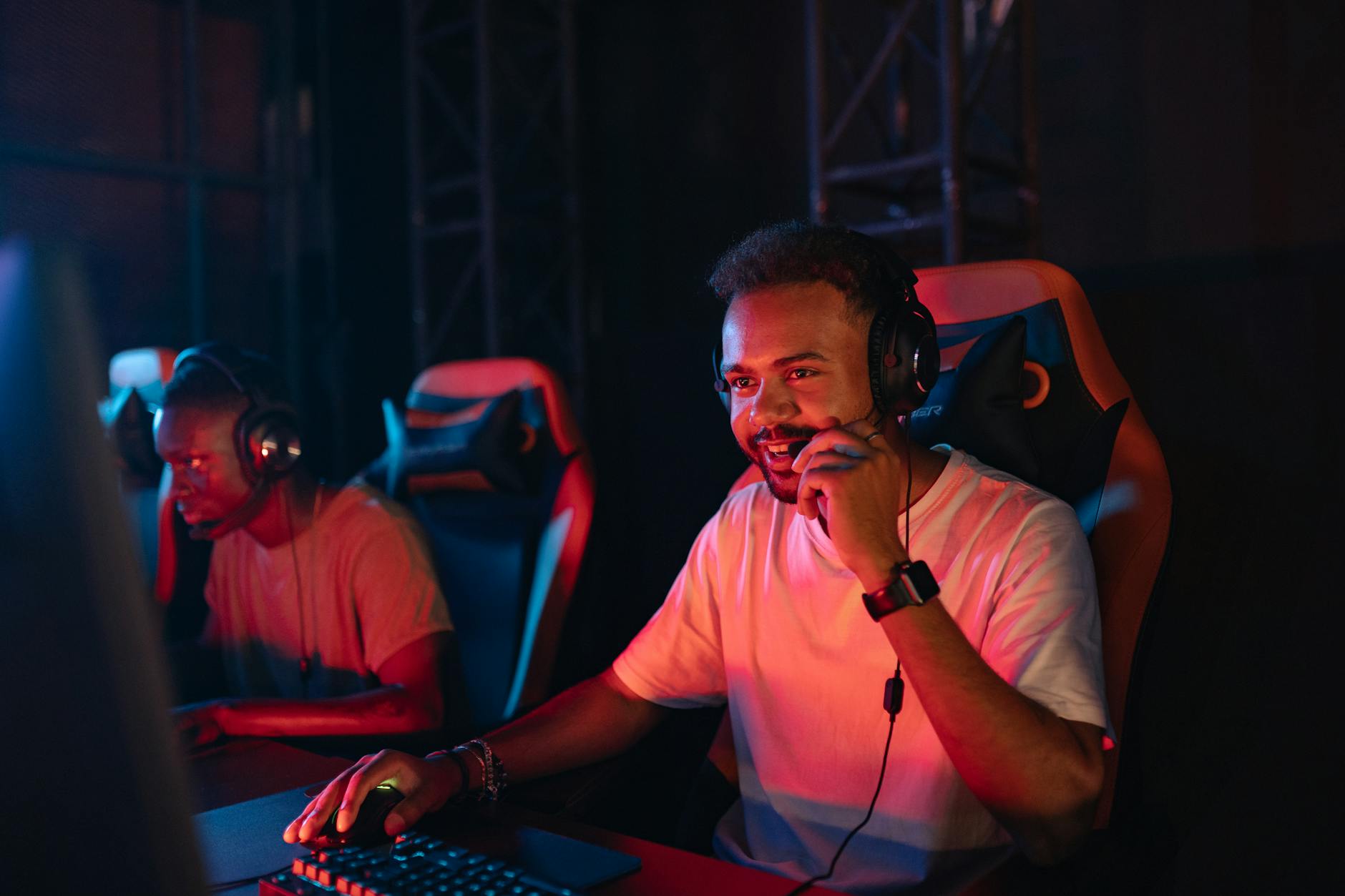
Traditional sports commentary teams require extensive production support, makeup artists, wardrobe departments, and carefully scripted content. Gaming influencers stream from minimal setups, comfortable with casual presentation styles that actually appeal more to gaming audiences than polished broadcast television formats.
Sponsorship integration also flows more naturally through influencer commentary. When a streamer mentions a gaming peripheral or energy drink during commentary, it feels organic rather than forced, leading to higher conversion rates for advertisers. This seamless integration of promotional content has attracted brands that struggled to connect with gaming audiences through traditional advertising methods.
The financial benefits extend to event organizers who can negotiate package deals with influencers that include pre-event promotion, live commentary, and post-event content creation across their personal channels.
Audience Connection and Authenticity
Gaming audiences value authenticity over production quality, a preference that favors influencers over traditional broadcasters. Streamers who built followings through genuine reactions and unfiltered commentary translate these qualities to professional broadcasting roles, maintaining the personal connection that made them popular.
Traditional sports commentary maintains professional distance between commentators and audiences. Gaming influencers regularly interact with chat, respond to viewer questions, and acknowledge their communities during broadcasts. This interactive approach transforms passive viewing into participatory experiences that align with how gaming audiences consume content.
The demographic alignment also plays a crucial role. Most gaming influencers share age ranges and cultural references with their audiences, creating immediate rapport that traditional broadcasters struggle to establish. When a streamer references a meme or gaming trend during commentary, audiences understand context that might escape older, more formal commentators.
Social media integration happens naturally when influencers handle commentary duties. They tweet reactions, share highlights, and continue conversations across platforms, extending event lifecycles beyond live broadcasts. Traditional commentary teams often lack the social media presence necessary to maintain audience engagement between events.
Platform Integration and Cross-Promotion
Streaming platforms actively encourage this transition by offering enhanced features for influencer-led broadcasts. Twitch’s co-streaming capabilities, referenced in recent platform updates, allow multiple influencers to commentary the same event simultaneously, creating multiple viewing experiences from single events.
YouTube Gaming provides similar tools that enable seamless switching between influencer perspectives during live events. These platform features don’t exist for traditional commentary teams, highlighting the technological preference for creator-driven content over broadcast television formats.
Cross-platform promotion becomes effortless when influencers handle commentary. A single event generates content across Twitch, YouTube, TikTok, Twitter, and Instagram through the personal channels of participating influencers. Traditional broadcasting requires separate marketing campaigns to achieve similar reach across platforms.
The algorithmic boost that comes with influencer participation cannot be understated. When established streamers participate in commentary, platform algorithms prioritize the content, leading to increased discoverability and organic growth that traditional broadcasts rarely achieve.
Industry Resistance and Adaptation
Established esports organizations initially resisted the transition, concerned about maintaining professional standards and broadcast quality. However, viewer preference data consistently showed higher engagement rates for influencer-led commentary, forcing adaptation across the industry.
Some traditional broadcasters have successfully transitioned by adopting influencer-style presentation methods, engaging more directly with audiences and incorporating interactive elements into their commentary. The most successful traditional commentators now maintain active streaming schedules outside official events, building personal followings that enhance their professional value.

Hybrid approaches are emerging where experienced traditional commentators partner with gaming influencers, combining broadcast expertise with community connection. These partnerships often produce the highest-quality commentary while satisfying audience preferences for authentic interaction.
The transition continues accelerating as younger gaming audiences age up and older traditional sports audiences show decreased interest in esports content. Organizations that resist this shift risk losing relevance as competitors embrace influencer-driven commentary strategies.
The future of gaming commentary lies firmly in the hands of content creators who understand their audiences intimately. As gaming continues its trajectory toward mainstream entertainment, expect traditional broadcasting roles to disappear entirely, replaced by streamers who built their careers understanding exactly what gaming audiences want to see and hear.
Frequently Asked Questions
Why are gaming influencers replacing traditional commentators?
Influencers offer authentic audience connections, built-in marketing power, and natural integration with gaming culture that traditional broadcasters lack.
Do influencers provide better commentary than traditional broadcasters?
While different in style, influencer commentary often achieves higher engagement rates and better connects with gaming audiences.