



A Fan-Favorite Left Behind
Donkey Kong Bananza is generating genuine excitement as a new direction for the franchise – bigger environments, destructible terrain, and a visual style that feels genuinely fresh. But for a vocal section of the Donkey Kong Country fanbase, one glaring omission is cutting through that enthusiasm: Rambi the Rhino is nowhere in sight. The beloved Animal Buddy, who has appeared in nearly every classic DKC title since the original 1994 SNES release, has been conspicuously absent from everything shown about Bananza so far.
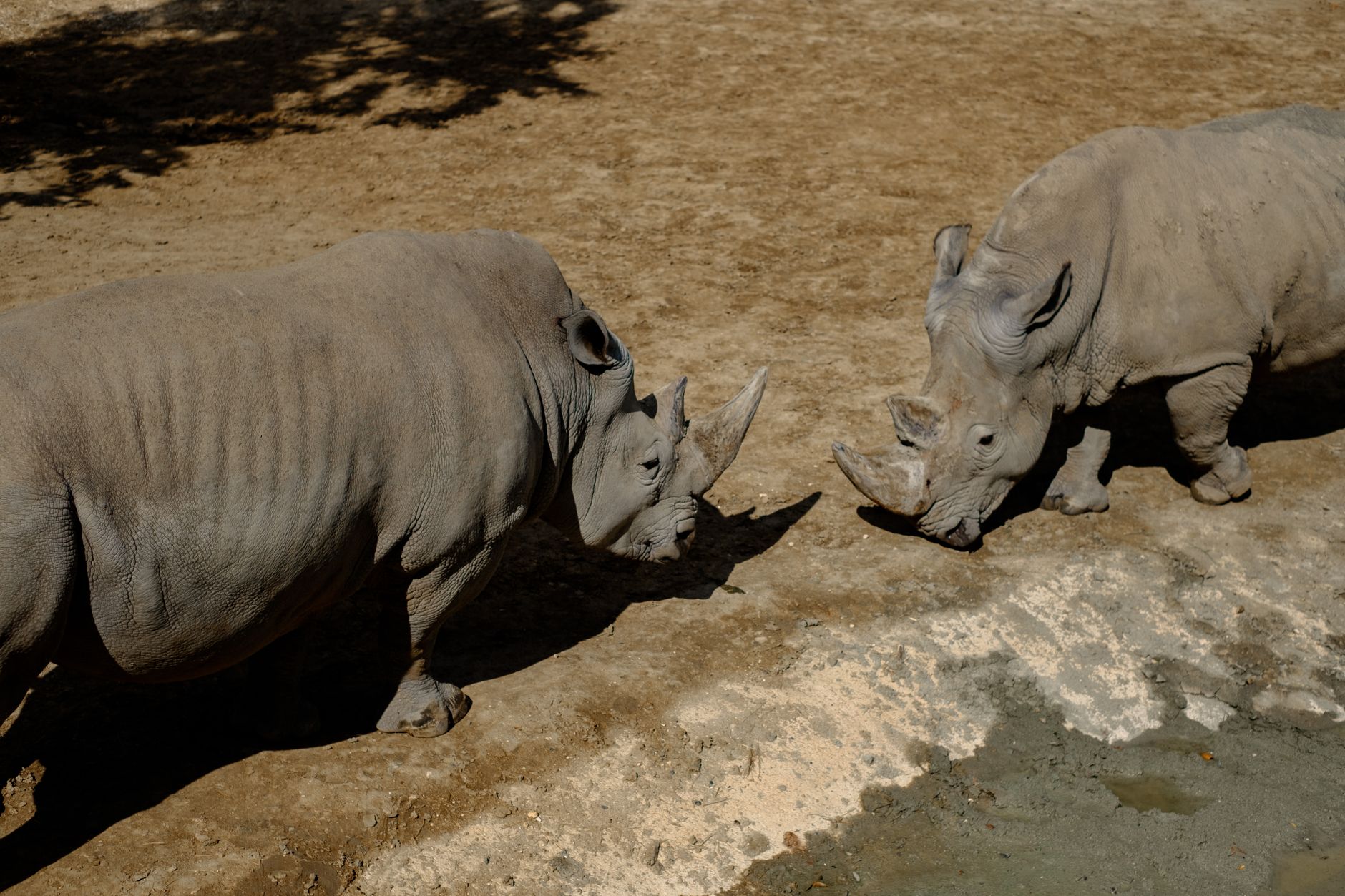
Rambi is not a minor character tucked away in some corner of DKC lore. He is the Animal Buddy – the one who appeared in trailers, in promotional art, in Nintendo Power spreads, and in the hearts of kids who spent weekends bulldozing enemies across Kongo Jungle. His absence in Bananza is not going unnoticed, and the debate it has sparked among fans speaks to a deeper tension about what this new game actually is – and what it’s willing to leave behind.
What Rambi Meant to the DKC Formula
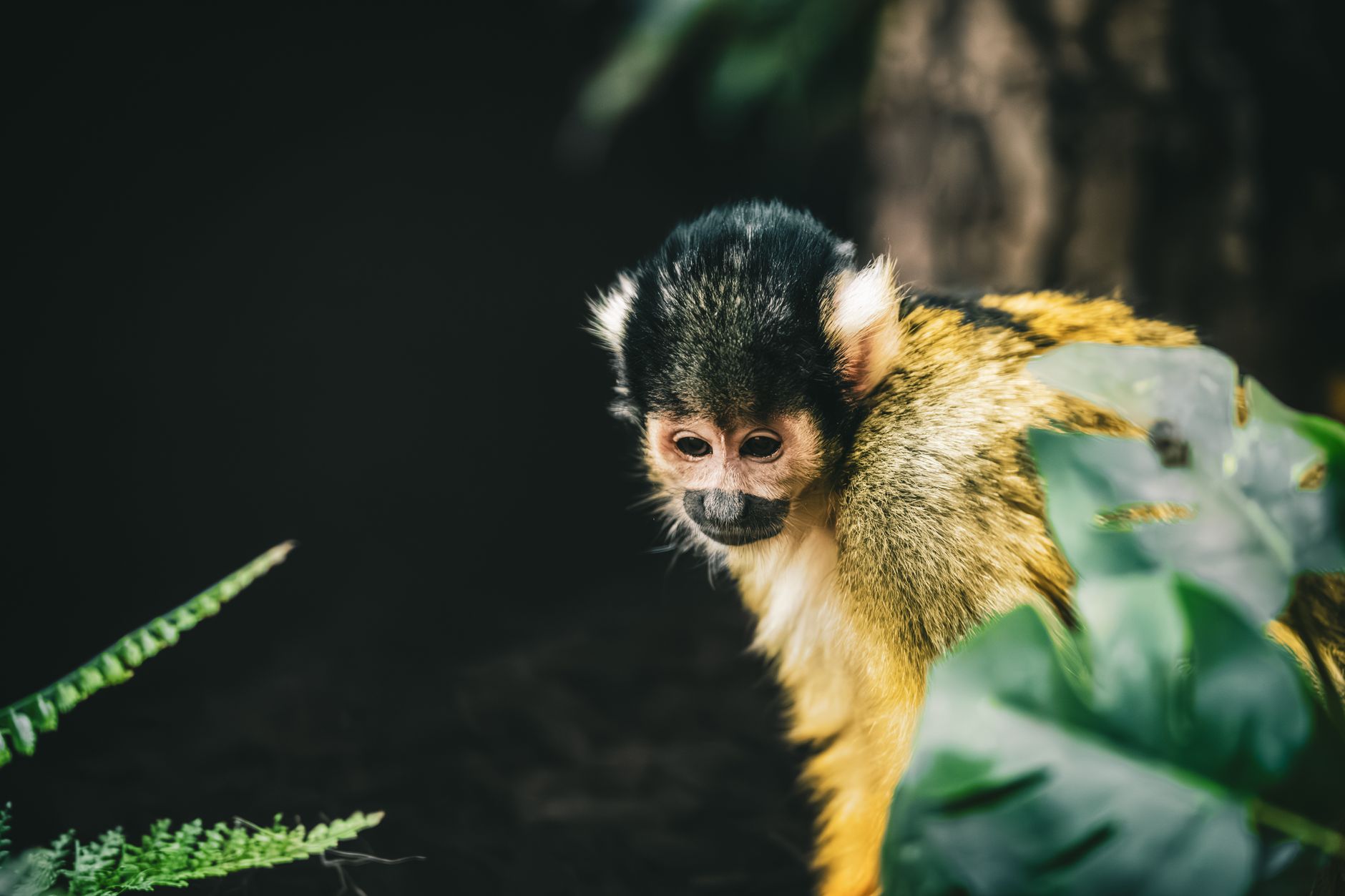
Animal Buddies were the mechanical heartbeat of the original DKC trilogy developed by Rare. They were not just power-ups – they were characters with personality, each solving a different design problem. Squawks lit dark caves, Enguarde sliced through underwater sections, and Squitter could web-platform across otherwise impassable gaps. But Rambi was the blunt, satisfying answer to overland combat. Riding him felt like being unstoppable, and the game knew it – his secret rooms, his charge animations, his horn-toss attack – all of it communicated that this was a reward, not just a tool.
Retro Studios understood this when they revived the franchise with Donkey Kong Country Returns in 2010 and Tropical Freeze in 2014. Rambi appeared in both games, and his inclusion served as a deliberate signal to longtime fans: this is still the DKC you remember. He is connective tissue between eras of the franchise. Removing him – especially without explanation – severs that thread in a way other design choices simply do not.
Why Bananza’s Design Philosophy May Have Pushed Rambi Out
Bananza is built around a very specific gimmick: Donkey Kong’s ability to punch through, rip apart, and reshape the terrain around him. The world is destructible in ways no DK game has attempted before, and that sandbox physicality is clearly the game’s identity. The question is whether Animal Buddies, as they were traditionally designed, even fit within that system.
Rambi’s power fantasy is straightforward momentum – charge forward, break things in your path. On paper, that sounds compatible with Bananza’s destructible world. But building Rambi into a physics-driven environment where DK himself already destroys everything might make the rhino feel redundant rather than empowering. If DK can punch through a wall, what does Rambi add? Nintendo may have concluded that the Animal Buddy loop simply doesn’t survive contact with Bananza’s core mechanic without feeling diluted.
That logic is defensible from a design standpoint, but it leaves fans who were hoping for both a forward-looking game and a loving nod to classic DKC in an uncomfortable position. A game can be new and still honor what came before – and the DKC fanbase has made clear, repeatedly, that Animal Buddies are not optional nostalgia for them. They are part of what defines the franchise’s identity. The absence of the DK arcade nods has already stung some fans, and Rambi’s omission is landing with similar weight.
There is also a practical production consideration that rarely gets discussed openly. Building a fully functional Animal Buddy with its own movement physics, hitbox behavior, and interaction logic within a destructible-terrain engine is not a small task. Rambi in a world where floors and walls can be torn apart would require significant engineering work to behave predictably. Nintendo may have made a quiet cost-benefit call, and Rambi simply did not make the cut under those constraints.
The Fan Community Is Not Taking It Quietly
Across Reddit, YouTube comment sections, and gaming forums, DKC fans have been cataloguing Bananza’s absences with a kind of determined grief. Rambi tops most of those lists. Some fans are treating his absence as a dealbreaker – not in the sense that they won’t buy the game, but in the sense that they’re recalibrating their expectations downward. Bananza, for them, is now clearly not a DKC successor. It is something else wearing DK’s tie.
Others in the community are pushing back on that framing, arguing that anchoring the franchise’s future to Animal Buddies – or to Rambi specifically – is exactly the kind of conservatism that kept DK games feeling stagnant in the years between Tropical Freeze and Bananza. That debate, between honoring legacy and demanding evolution, is genuinely unresolved in the fanbase right now, and Rambi has become its most concrete flashpoint.

What His Absence Actually Signals
Nintendo has not confirmed whether Animal Buddies appear anywhere in Bananza. There is always the possibility that Rambi – or others – show up later in the game, perhaps in a capacity that fits the new engine, perhaps in a more limited role. A single secret room with a Rambi crate would go a long way for some fans, even if it’s not a full integration. Nintendo knows how to deploy nostalgia precisely when it counts.
But if Bananza ships without Rambi in any form, it will mark the first time in over a decade that a mainline DK platformer has gone without him. That is a long streak to break, and the message it sends – intentionally or not – is that Nintendo is drawing a clear line between the DKC era and whatever Bananza represents. Whether fans are ready to cross that line without their rhino is another question entirely.
The most telling detail may be this: in all the promotional material, gameplay footage, and trailers released so far, Bananza has shown off a great many things it is proud of. Rambi has not been one of them. That silence rarely happens by accident.