



The Couch Is Set, But No One Else Can Sit Down
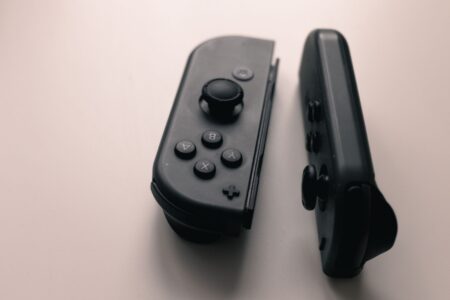
Donkey Kong Bananza arrives as one of Nintendo’s biggest Switch 2 launches, built around destruction physics, underground exploration, and a Bananza transformation system that practically begs to be shared with someone. The game is loud, chaotic, and visually wild in exactly the ways that make you want to hand a second controller to whoever is sitting next to you. Except you can’t. There is no local multiplayer. There is no co-op mode. There is no split-screen option. You play alone, and everyone else watches.
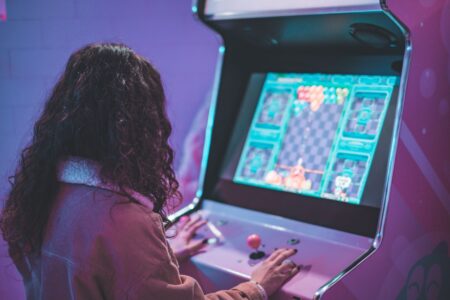
For a Nintendo title shipping on hardware that Nintendo has specifically marketed as a social gaming device, that absence is jarring. The Switch 2 was shown off with families huddled around tables, friends passing controllers, and groups reacting together to on-screen action. Bananza, by design, locks all of that out. The frustration building in online communities is real, and it connects to a deeper anxiety among longtime DK fans about where the franchise’s identity is headed.

A Franchise That Used to Prioritize Two Players
The Donkey Kong Country series was built on partnership. From the original Super Nintendo releases, DKC treated two-player gameplay as a core feature rather than a bonus. You traded off between Kong characters, each bringing different weight and abilities to the levels. The dynamic was central to how people experienced those games at home – siblings competing for the controller, parents and kids taking turns, friends strategizing through difficult stages together. That social texture was part of what made DKC a household name rather than just a critical darling.
Donkey Kong Country Returns and its sequel, Tropical Freeze, carried that tradition forward on Wii and Wii U. Returns offered drop-in co-op where a second player could grab Diddy Kong independently. Tropical Freeze refined the system further. Both games understood that the DK audience includes a significant number of players who want to experience the game alongside someone else in the same room. Bananza, the first fully original DK platformer in over a decade, has abandoned that understanding entirely without any public explanation from Nintendo.
What the Missing Mode Actually Costs Players
The mechanical foundation of Bananza would suit co-op naturally. Kong can tear chunks of terrain apart, burrow through layers of rock, and throw debris at enemies. Add a second character with a complementary skill set – say, a partner who handles aerial combat or puzzle elements – and the destruction sandbox becomes genuinely collaborative. The architecture is already there. The absence of a second player feels like a door that was designed but never installed.
Parents buying this game as a shared activity with younger children are running into an immediate wall. The single-player structure means one person plays while everyone else spectates, which is a fundamentally different social experience than the one Nintendo spent decades building with the DK brand. For families, that distinction matters a lot at full retail price.
Online communities have been vocal. Reddit threads and Discord servers dedicated to Nintendo Switch gaming have filled with variations of the same question: why was co-op cut? Some players have floated the theory that Nintendo prioritized building out the Bananza transformation mechanics and the open-ended destruction engine at the expense of multiplayer infrastructure. That explanation is plausible, but it doesn’t make the gap easier to accept for fans who bought the hardware partly on the promise of social play.
The frustration is compounded by what Bananza does offer. The game is genuinely impressive in solo form – the level design is inventive, the destruction physics interact with puzzles in satisfying ways, and the Bananza forms give Kong genuine versatility. It is clearly a polished, ambitious product. That quality makes the missing co-op harder to dismiss, not easier. A lesser game you can write off. A great game with a conspicuous omission stays on your mind.
Nintendo’s Shifting Approach to Franchise Traditions
This isn’t the only place where Bananza has diverged from what longtime fans expected. The game’s structure departs from DKC conventions in multiple directions simultaneously. Veteran players who grew up with specific reward systems and mechanical callbacks from earlier entries have found those familiar touchstones gone. The co-op absence sits alongside other design choices that suggest Nintendo is treating Bananza less as a continuation of DKC and more as a reinvention built around new systems.
Whether that reinvention was necessary is a separate debate. But it’s worth acknowledging that local co-op isn’t a legacy feature that needed to be retired for technical reasons. It’s an active choice to exclude a mode that defined how millions of players engaged with the franchise. Nintendo has not addressed it publicly, and there’s been no indication of a co-op update or DLC planned for post-launch.

The Longer Cost of Ignoring Shared Play
There is a specific kind of gaming memory that only comes from shared experience – the moment a second player pulls off a save you couldn’t make, the argument about which path to take, the collective groan when someone dies right before a checkpoint. Single-player games can be brilliant without ever generating those moments. Bananza is clearly aiming for brilliance. But it’s not going to create that category of memory for anyone.
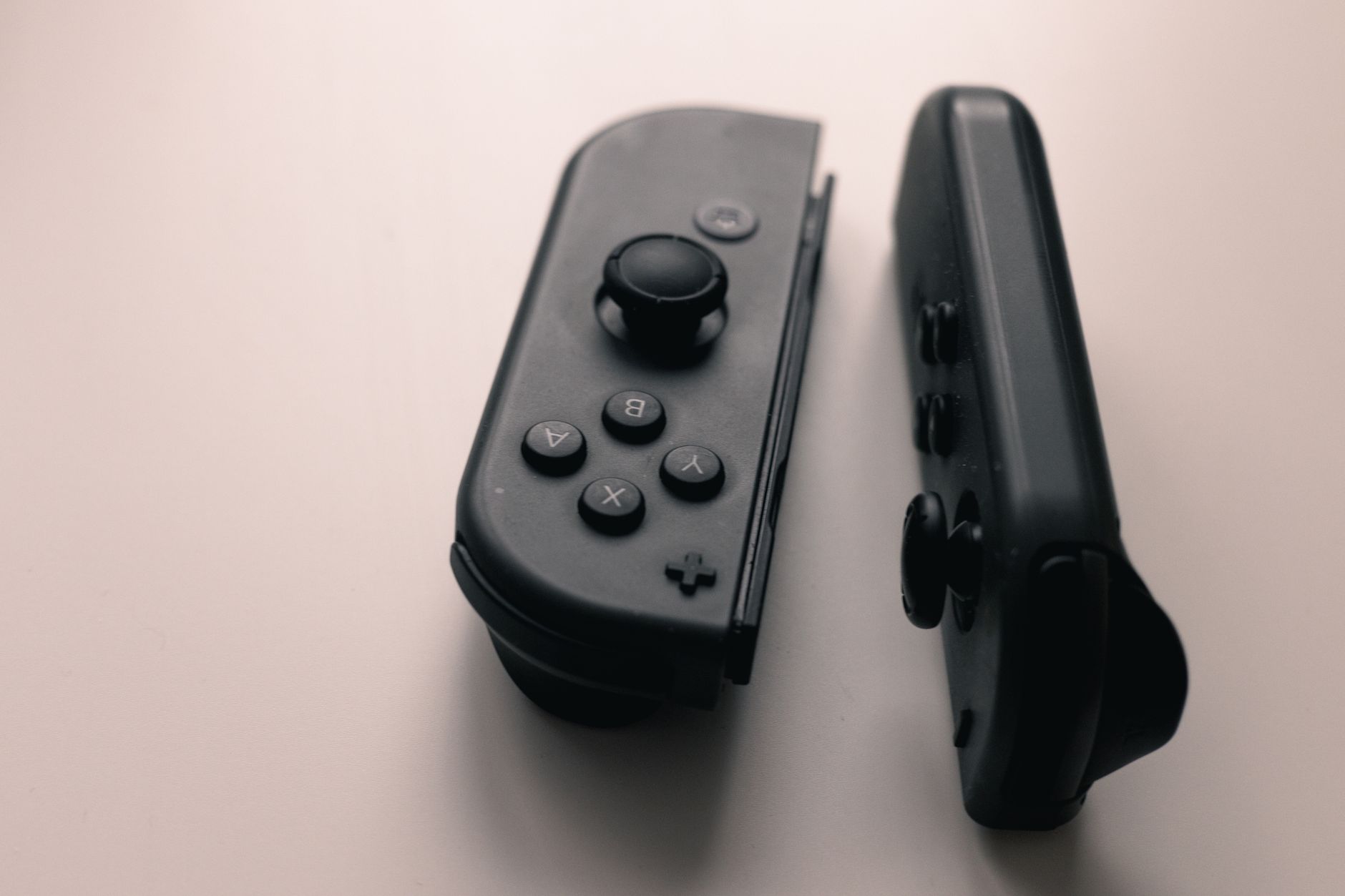
For the fans who have been sitting on a couch next to someone since 1994, waiting to play a new DK game together, Bananza’s launch is a particularly quiet kind of disappointment. The game runs. The game works. The game is even good. The second controller just sits there, uncharged, on the cushion beside them.
Nintendo built a platform around the idea that games are better when shared. Bananza ignores that idea entirely – and on the Switch 2’s biggest launch window, that’s a contradiction the company hasn’t bothered to explain.