


The Minecart Was Never Just a Gimmick
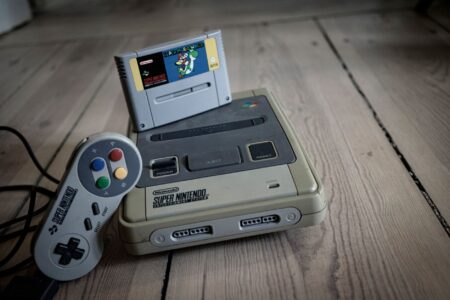
Ask any longtime Donkey Kong Country fan to name a defining memory from the series, and there is a good chance a minecart level comes up within the first ten seconds. The original SNES trilogy built its reputation on those sequences – the sudden shift in control, the rhythm-based jumping, the way the cart carried momentum that DK himself never could. They were not filler content slotted between platforming stages. They were the punctuation of the whole experience.
Donkey Kong Bananza arrives as the franchise’s first major 3D console outing in years, and the anticipation surrounding it has been enormous. But one detail is quietly eating at a specific subset of players: there are no minecart stages.
That absence sits differently depending on who you ask. Casual players and those coming to the franchise fresh may not register it at all. For DKC veterans, though, it is the kind of omission that sits in the back of the mind the whole time you are playing, surfacing every time the game delivers something technically impressive but tonally unfamiliar.
Why Minecart Levels Mattered More Than Their Runtime
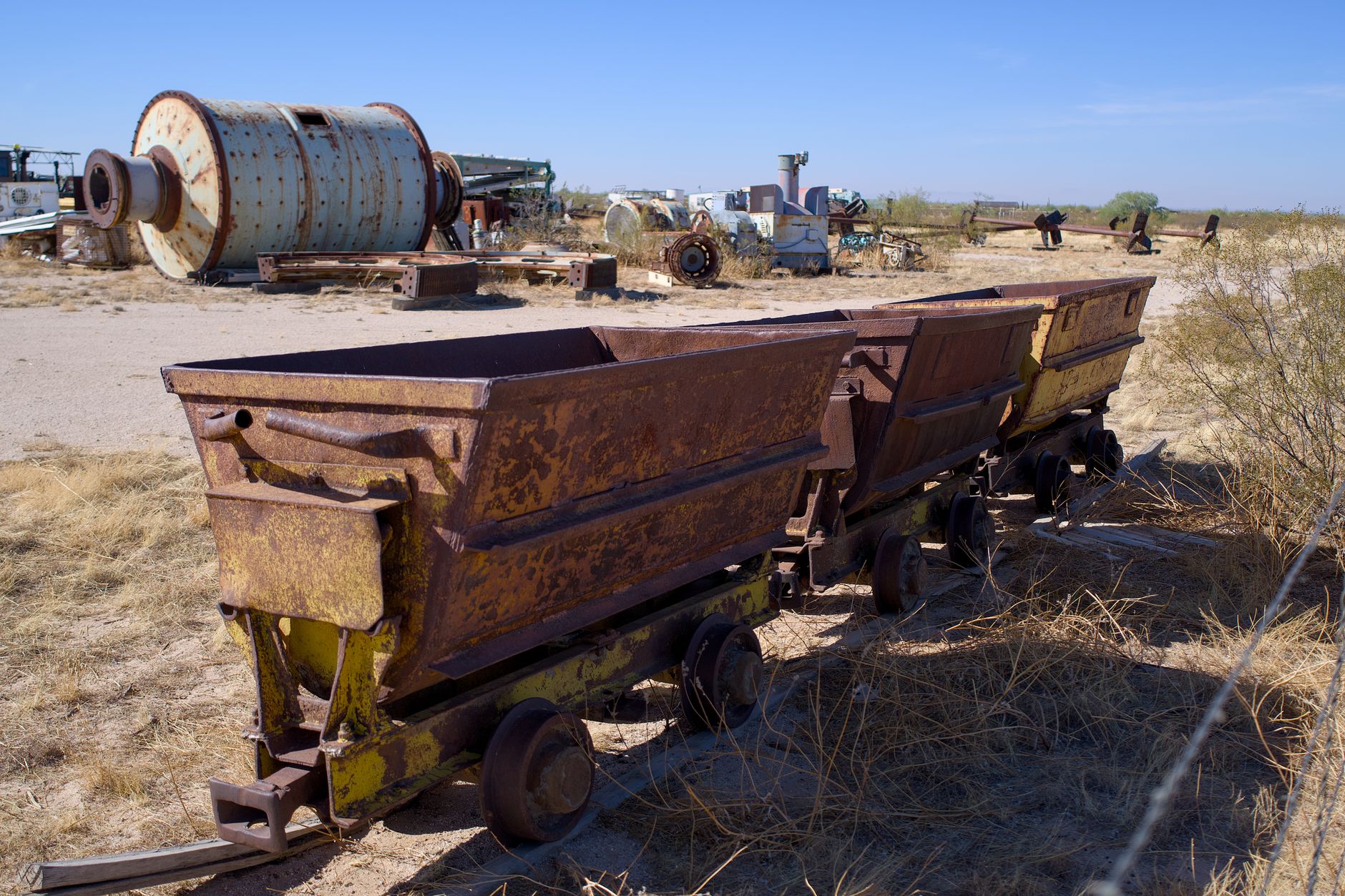
The minecart sequences in Donkey Kong Country 1 through 3 were structurally unlike anything else in those games. They handed you a vehicle with no brakes and asked you to survive on instinct and pattern recognition. The earliest of those stages, “Mine Cart Carnage” in the original game, was intentionally designed to be unforgiving – a lesson in reading ahead rather than reacting. That design philosophy gave the series a texture it has never fully replicated in any form since.
What those levels created was a pacing break that actually elevated the platforming around them. The contrast made both feel stronger. When you dropped back into a standard jungle or cave stage after surviving a cart gauntlet, the breathing room felt earned. Donkey Kong Bananza, built around a vertical digging mechanic and destructible terrain, is doing something genuinely different with its pacing – but the absence of any equivalent high-speed vehicle sequence leaves a particular kind of energy missing. The game rarely asks you to fully surrender control the way a minecart demanded.
There is also a legacy question buried here. Donkey Kong Country Returns and Tropical Freeze both brought back minecart and rocket barrel stages, treating them as essential rather than nostalgic. That continuity made those games feel like they understood what made the franchise tick at a mechanical level. Bananza cutting them entirely reads less like an artistic choice and more like a structural concession to the 3D format – one that may have been necessary but still costs the game something real.

The 3D Problem Nobody Wants to Say Out Loud
Translating a minecart stage into full 3D is genuinely hard. The tension of those levels in the SNES era came from the flat plane – you could only go left, right, or jump, and the cart’s speed made every pixel matter. Once you open up a third axis, the design language breaks down. You either make a rail shooter, which is a different genre entirely, or you build elaborate track geometry that fights against the freedom Bananza’s open digging system is selling. Neither option is a clean transplant.
Nintendo knows this. The fact that Donkey Kong Bananza does not attempt a half-baked 3D minecart stage is arguably the more disciplined decision. A clumsy version of the concept would have been worse than no version at all. But discipline and satisfaction are not the same thing, and DKC veterans are not wrong to feel the gap. The rocket barrel sequences in Tropical Freeze demonstrated that high-speed vehicle stages could be modernized with enough investment – and that makes the complete absence in Bananza feel like a resource or design priority question rather than a creative inevitability.
It is worth placing this alongside the other omissions that have surfaced in early player reactions. The missing co-op mode has drawn its own frustration from a different corner of the fanbase. Together, these absences sketch out a version of Donkey Kong Bananza that is clearly ambitious on its own terms while also being a noticeably leaner franchise entry than what long-term fans have come to expect.
What the Silence Actually Signals
Donkey Kong Bananza is not a bad game for lacking minecart levels – nothing about that absence breaks what the game is trying to do. But for a franchise whose identity was built in large part on variety and surprise, the omission lands as a reminder that Bananza is charting a specific, narrower path. The digging mechanic is the whole show, and everything else in the design orbits it. That focus produces something coherent and fresh, but it also means the series’ most kinetic legacy sequence gets quietly left on the shelf – and players who grew up timing jumps over cart-track gaps in 1994 are going to feel exactly where it should have been.