


Donkey Kong Bananza is generating serious excitement as a return to form for the franchise, but a vocal corner of the fanbase is fixated on what isn’t there – specifically, the caged banana hoards that defined the hidden-secret language of Donkey Kong Country 2: Diddy’s Kong Quest.
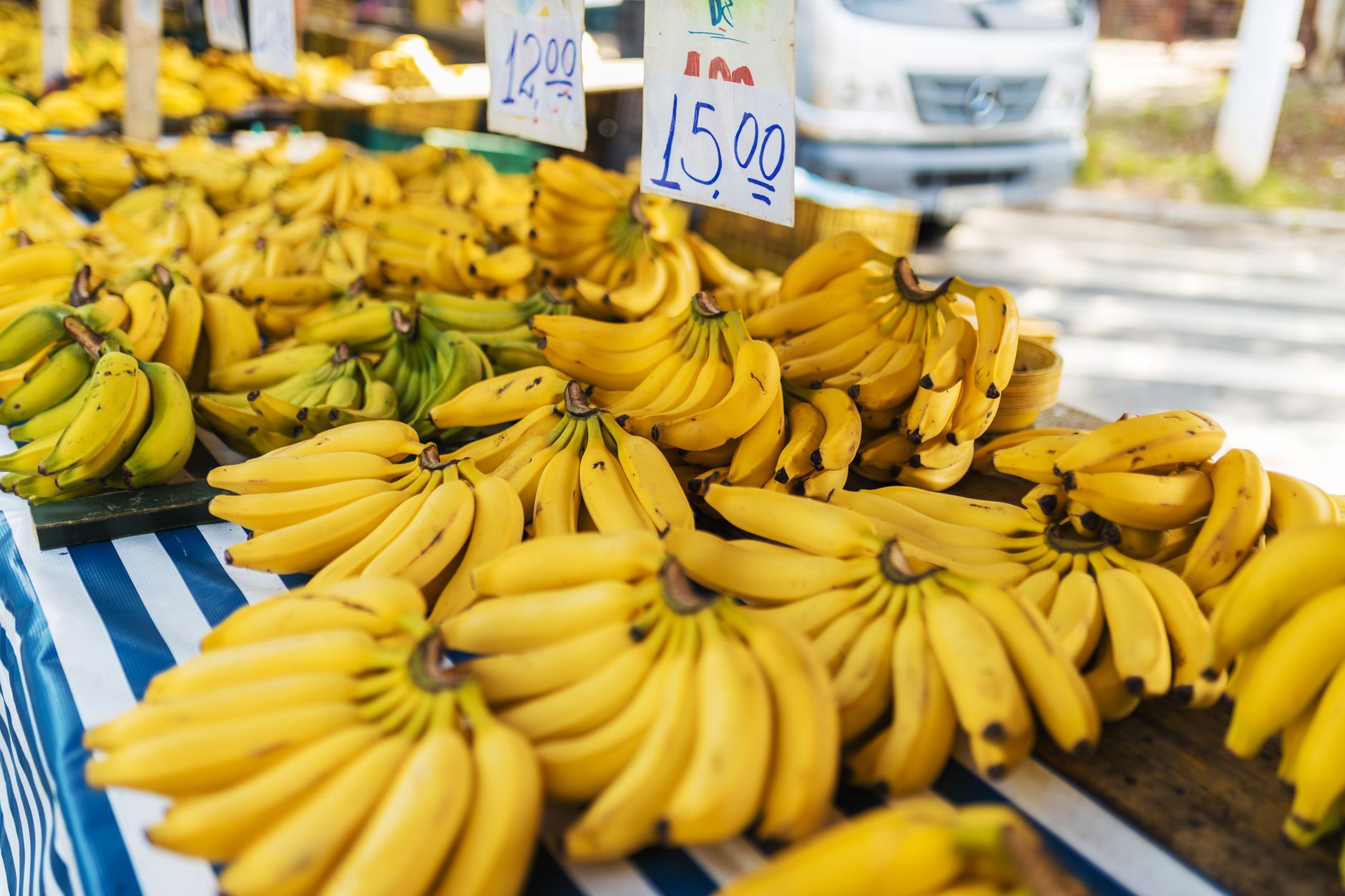
A Signature Visual That Meant Everything in DKC2
In Donkey Kong Country 2, caged banana hoards weren’t just decoration. They were a visual shorthand – a signal that something valuable was nearby, that the level held secrets worth hunting, and that Kremlin villainy had a specific aesthetic texture. The bananas locked behind bars communicated Kaptain K. Rool’s world in a way no dialogue ever could. Players who grew up with that game learned to read environments through those cages the way others learned to read maps.
That kind of environmental storytelling is difficult to replicate without directly invoking the original design. Bananza takes place underground, in a world of rock layers and excavation rather than pirate ships and swamps, so the visual palette is entirely different. Nothing in Bananza’s aesthetic framework naturally calls for a cage. And yet, for a generation of players whose entry point to Donkey Kong was DKC2, the absence feels less like a design choice and more like an erasure.
The caged banana hoard wasn’t just a DKC2 moment – it became a franchise symbol. It appeared in promotional art, on box art details, in fan recreations, and in countless “best of Nintendo” retrospectives. The image of bananas trapped behind iron bars became synonymous with DK’s world having weight and stakes. When Bananza leans into a chaotic, destructible world full of energy and momentum, it’s doing something genuinely different – but that difference cuts both ways.
DKC2 fans aren’t simply nostalgic. They’re mourning a specific design philosophy: the idea that DK games reward close observation, that hidden things are telegraphed through visual cues, and that the environment itself is part of the storytelling. Whether Bananza offers that in its own way is a separate debate – but the cage is a litmus test, and for many fans, Bananza fails it immediately.
Why This Particular Omission Cuts Deeper Than Others
Bananza’s developers are clearly aware of franchise history. The game nods to various corners of DK’s legacy, threading callbacks into its design with enough care that omissions read as intentional rather than accidental. That’s exactly why the missing caged banana hoard stings so specifically – it doesn’t feel forgotten, it feels deprioritized.
The DKC2 community is one of the most loyal and vocal in Nintendo’s ecosystem. That game is regularly cited among the finest platformers ever made, and its aesthetic – the pirate ship levels, David Wise’s soundtrack, the animal buddies, the banana coins – has an almost religious following. When a new DK game arrives without any of those touchstones, the response isn’t indifference. It’s grief with a platform to broadcast it.
Social media threads and gaming forums have lit up with side-by-side comparisons: screenshots of Bananza’s banana clusters next to the iron-barred hoards of DKC2. The visual contrast alone does the arguing for those fans. Bananza’s bananas feel abundant and casual – scattered through the world as fuel for DK’s new ground-pound mechanics. DKC2’s caged hoards felt earned, almost punishing in how they teased reward behind obstruction. These are genuinely different design languages, and DKC2 fans are fluent in only one of them.
There’s also the question of what Bananza is trying to be. The game’s central mechanic – smashing through terrain, reshaping the world, finding paths through destruction rather than precision – is philosophically distant from DKC2’s demanding platforming rhythm. Bananza wants players to feel powerful. DKC2 often wanted players to feel clever and slightly desperate. A caged banana hoard belongs in the second kind of game, not the first. Which means its absence isn’t an oversight – it’s a symptom of a much larger directional decision.
That doesn’t make the loss easier to accept. Fans who were hoping Bananza would serve as a bridge between eras – honoring DKC2’s visual identity while pushing the franchise forward – are now recalibrating what this game actually is. For some, that recalibration is fine. For others, it confirms a fear that Nintendo views DKC2’s specific aesthetic as a closed chapter. This concern isn’t isolated either – fans have raised similar flags about missing DK Arcade nods in Bananza, suggesting a pattern of selective nostalgia rather than comprehensive franchise celebration.
What DKC2 Fans Are Actually Asking For
The request isn’t complicated. Fans aren’t demanding a DKC2 remake hidden inside Bananza. They’re asking for one visual callback – one moment where bananas sit behind bars, where the game winks at a specific era and says: we remember. That’s a small ask for a franchise with DKC2’s cultural footprint, and its absence from what appears to be a major Nintendo platformer event feels like a deliberate decluttering of the franchise’s history.

Whether Nintendo eventually acknowledges DKC2’s visual legacy in DLC, updates, or the next entry in the series is an open question. What’s certain right now is that Bananza’s banana design tells players exactly what kind of game they’re in – and it isn’t Crocodile Isle. For fans who built their DK fandom in that world, no amount of underground terrain destruction quite fills the gap left by one locked cage and a bunch of bananas they couldn’t immediately reach.