



Author: Rachel Turner

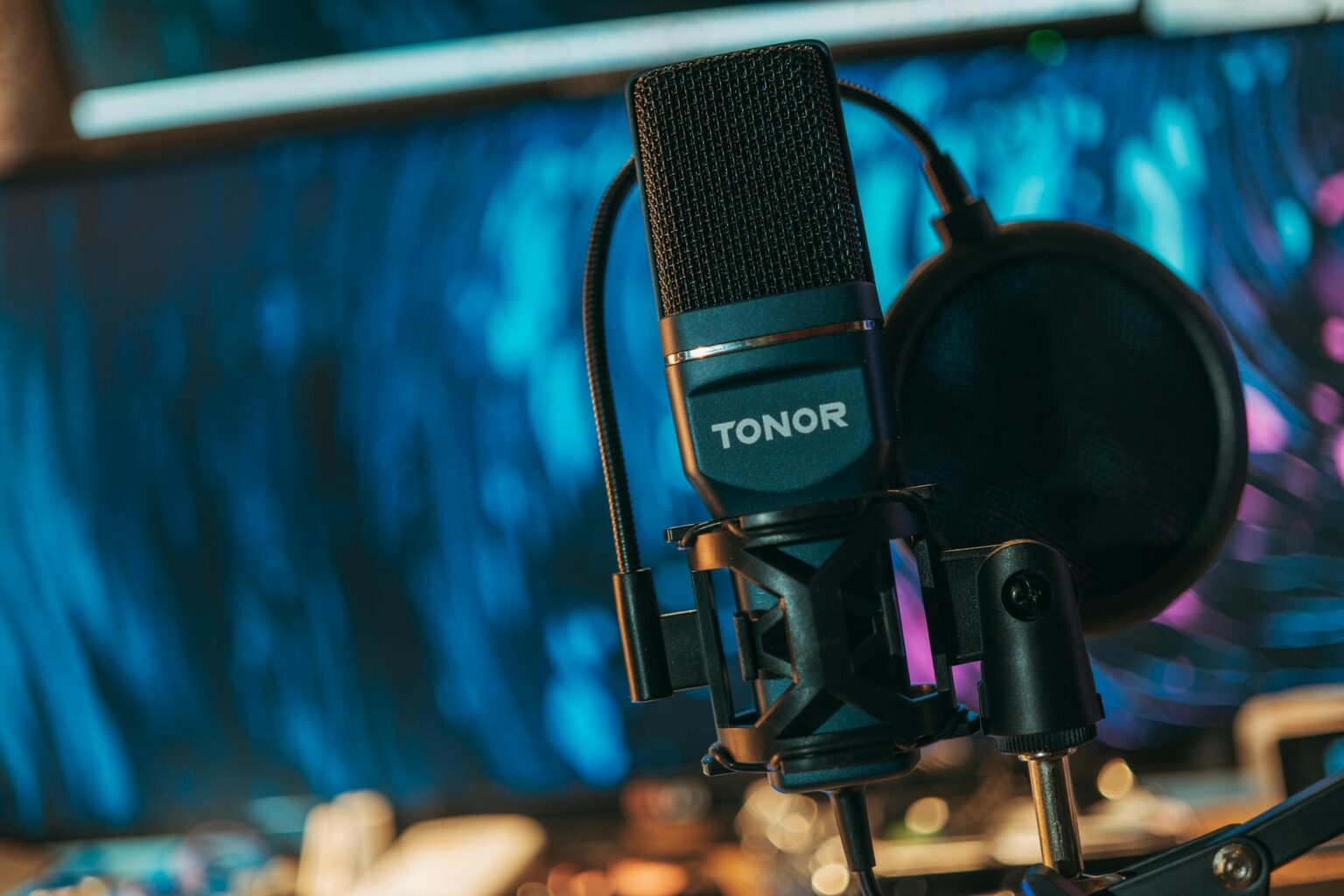
Major gaming studios are recruiting Twitch streamers for voice acting roles, leveraging their audience connection and authentic gaming knowledge.
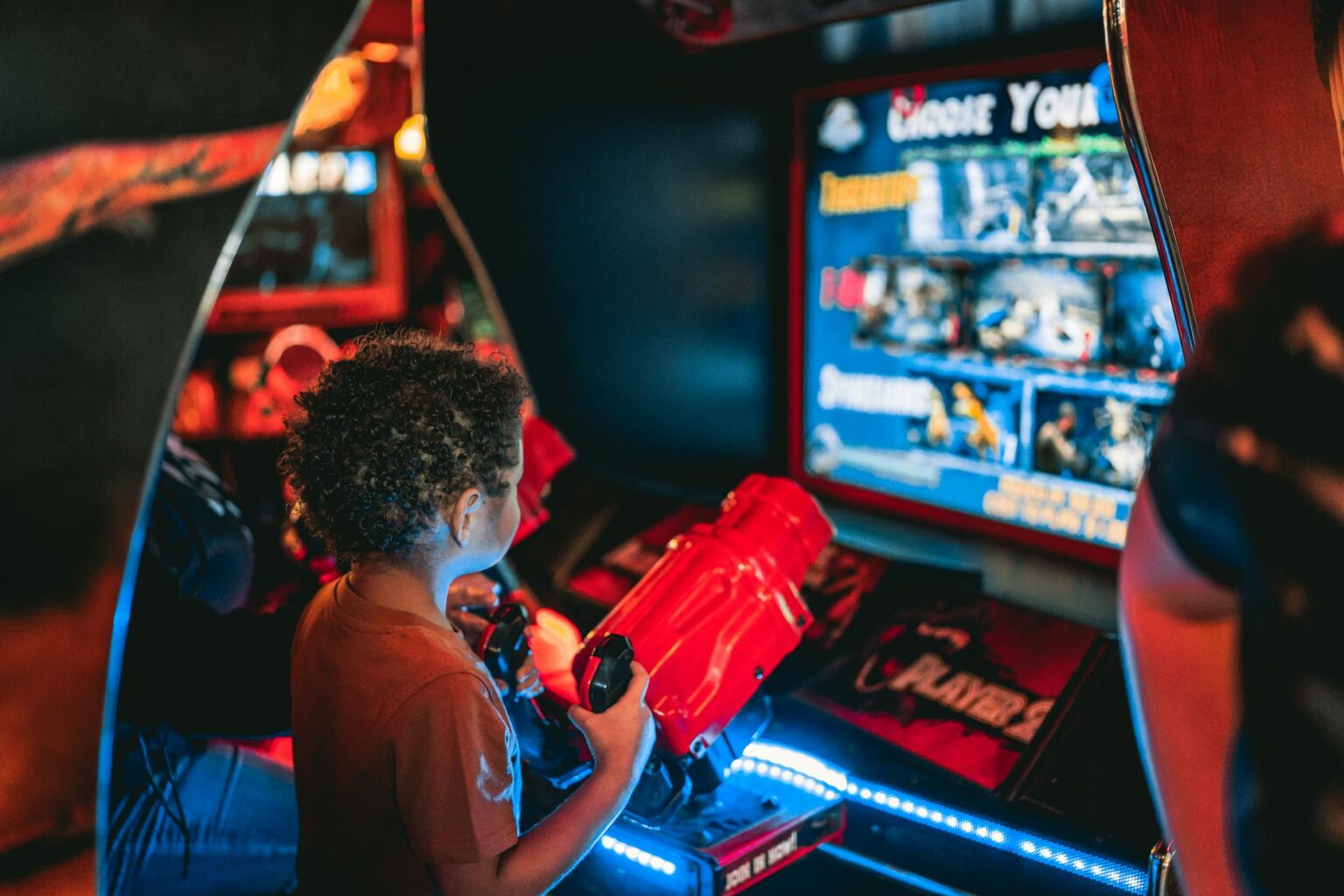
Retro gaming cafes are transforming urban nightlife by combining vintage arcade games with food and drinks, creating social hubs where strangers bond over classic games and friendly competition.
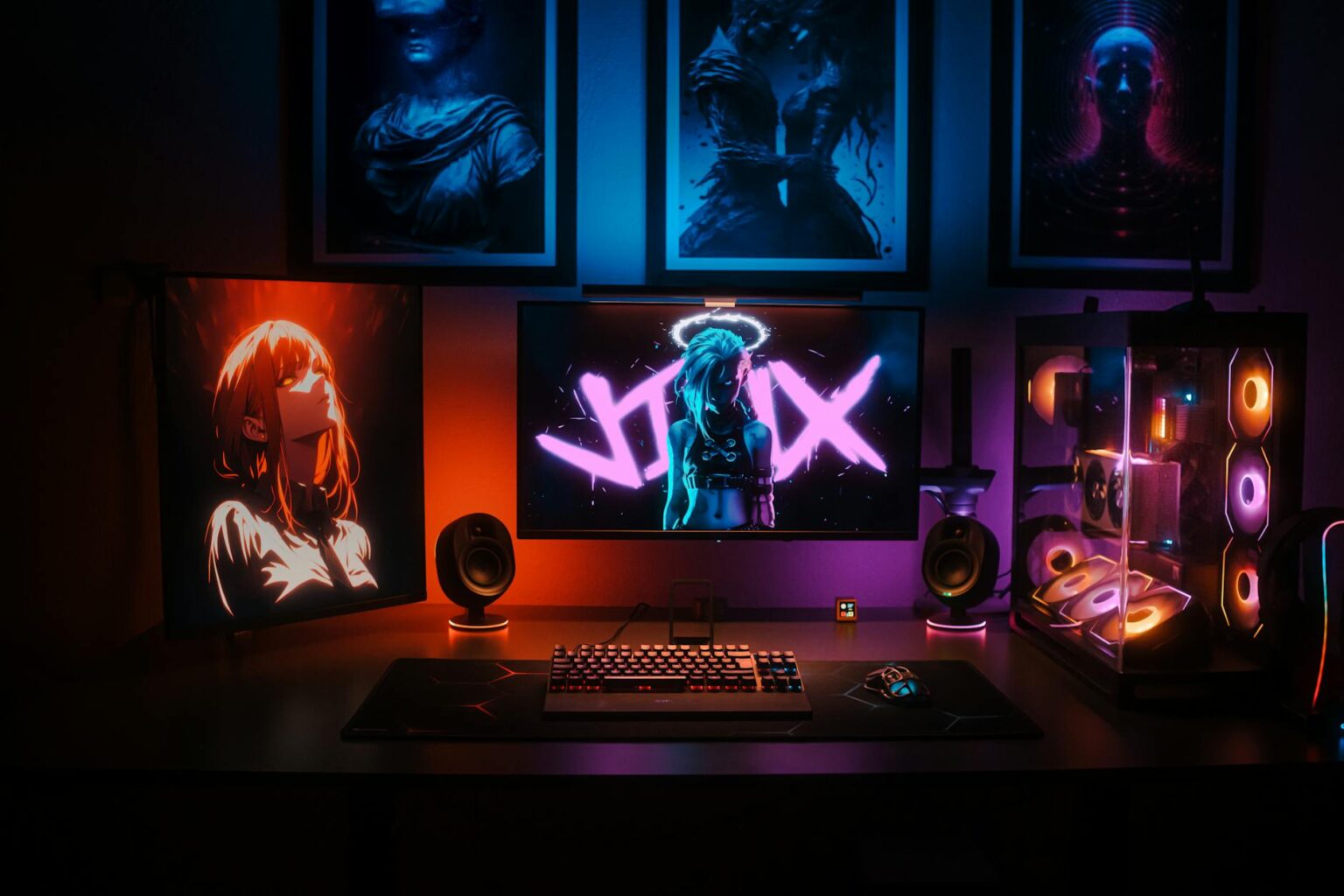
Twitch streamers are ditching traditional gaming sponsorships for subscription gifting revenue, reshaping how gaming content gets funded through direct fan support.
Rockstar Games turns strategic silence into marketing gold, letting GTA 6 fans drive promotion instead of traditional media campaigns.
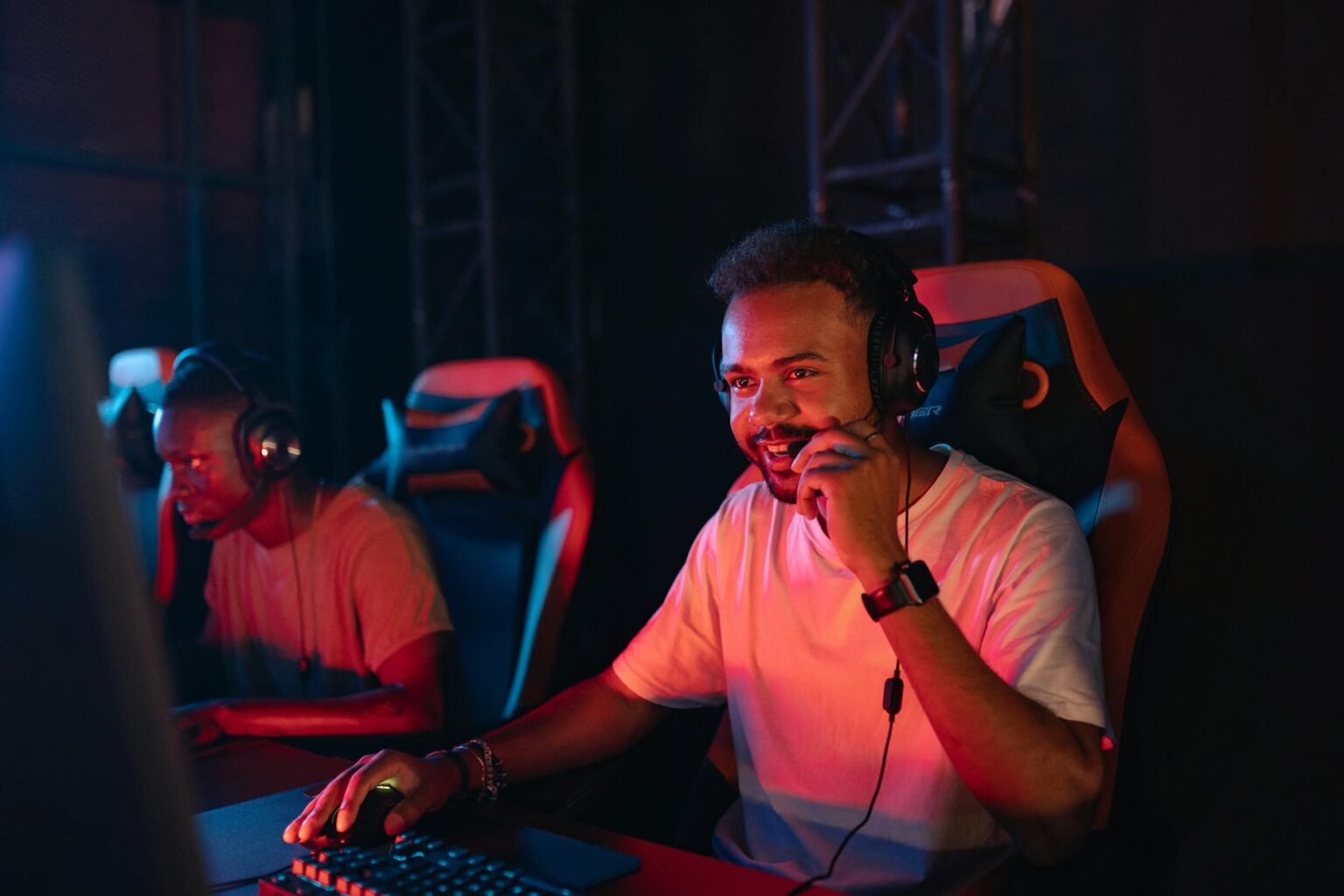
Gaming influencers are replacing traditional sports commentators in esports broadcasts, bringing authentic audience connections and higher engagement rates.

Spotify’s gaming playlist algorithms are quietly revolutionizing how video game soundtracks are created, with developers using streaming data to craft more engaging audio experiences.
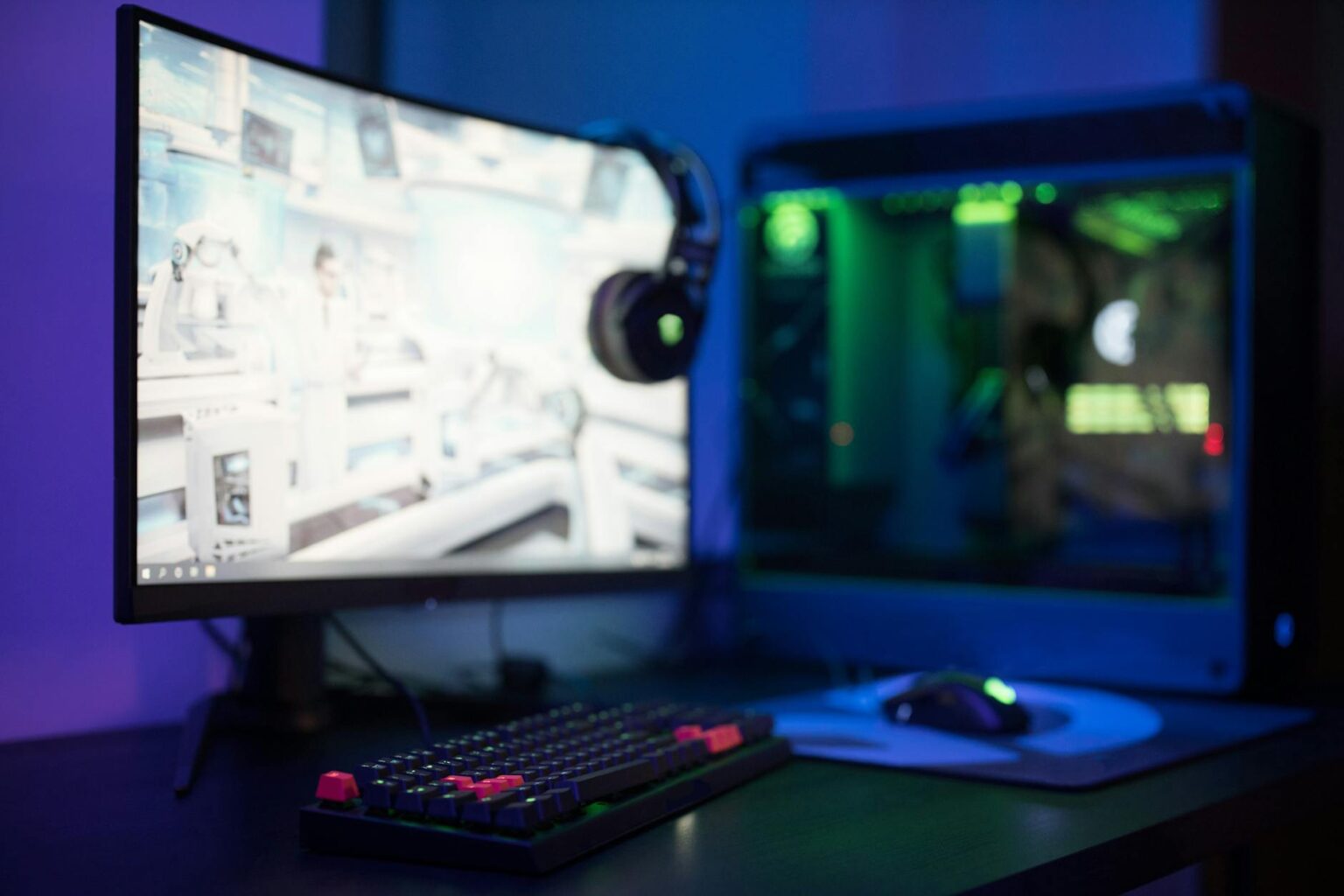
Twitch’s co-streaming feature lets multiple streamers broadcast together while keeping their audiences. It’s changing how gaming content creators collaborate and compete.
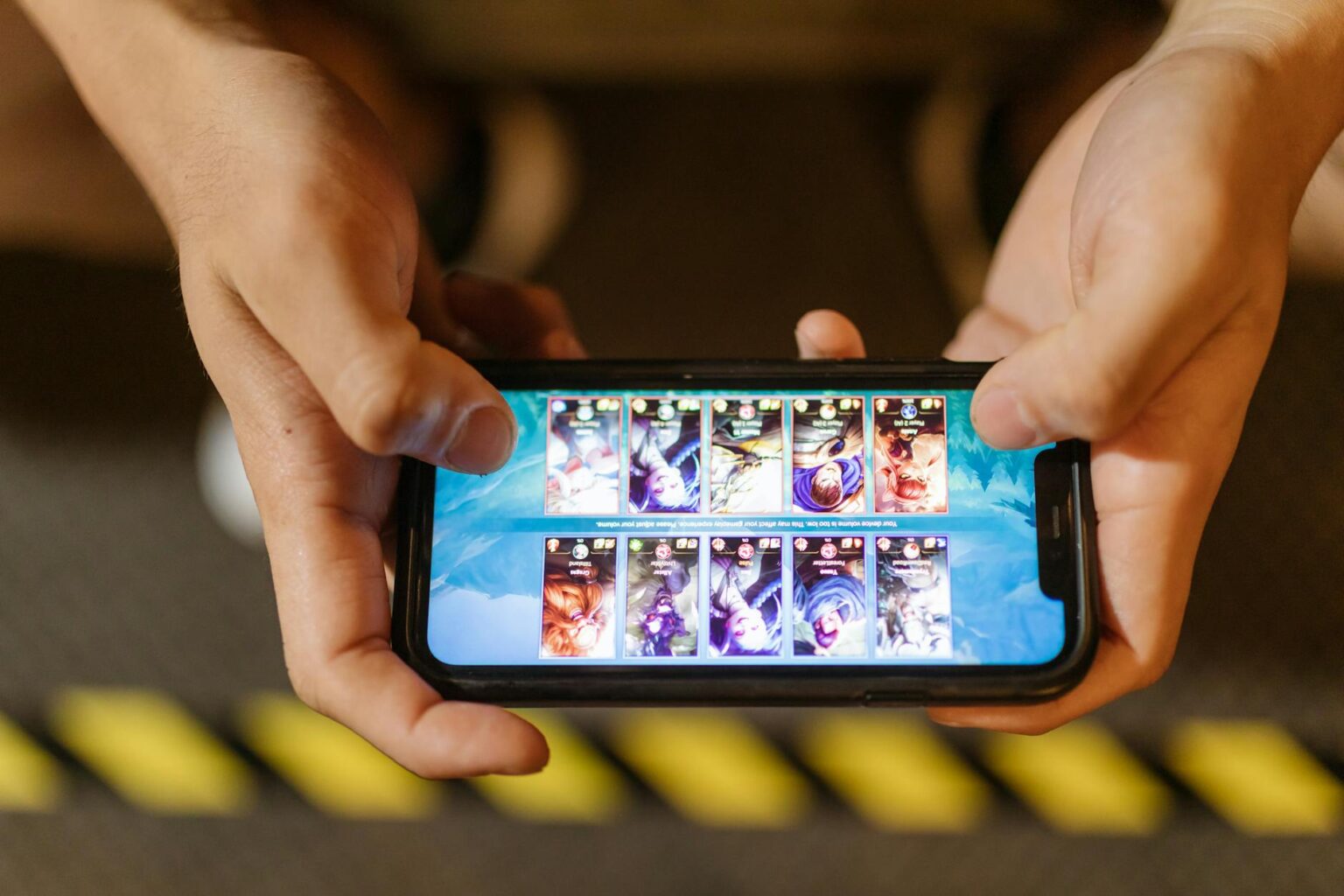
TikTok creators now deliver gaming news and reviews faster than traditional publications, fundamentally changing how gamers consume content about their favorite medium.
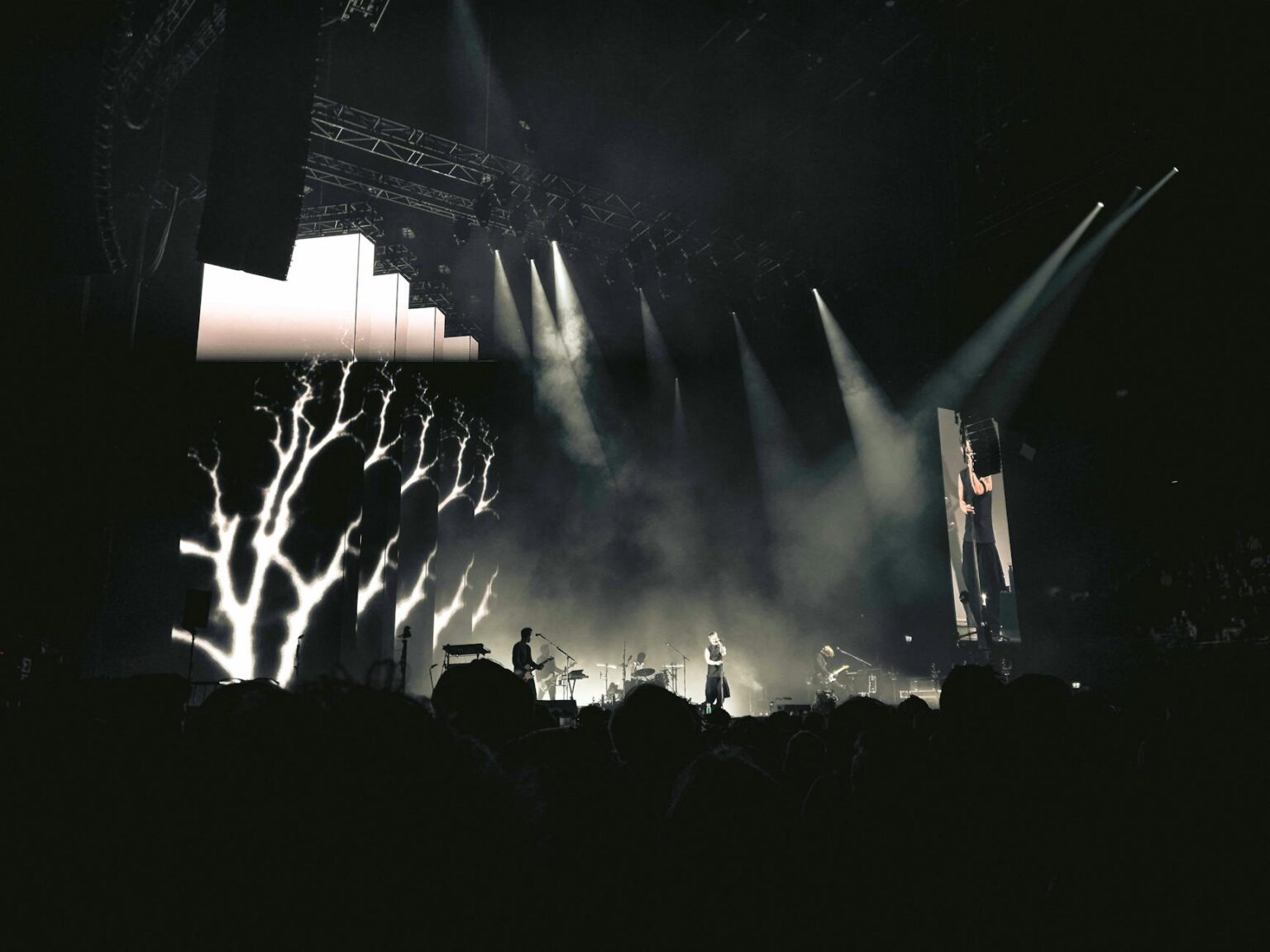
Virtual concerts in games like Fortnite are drawing millions of viewers, offering artists creative freedom and global reach while challenging traditional music festivals.

Gaming podcasts are outpacing traditional entertainment shows through authentic conversations, stronger community building, and flexible formats that match modern consumption habits.